




The textile business is rarely as simple as buying and selling fabric. Behind every order are decisions about material, production, quality, pricing, quantity, finishing, and delivery. There are also people involved at every stage — manufacturers, suppliers, buyers, logistics partners, and the teams responsible for making sure everything stays on track. For PT Indotech Global Solution, this has shaped the way the company approaches the textile business from the beginning. Under the direction of Johannes Marsali Anzen, the company has been developing its business around a simple idea: connect customers with the right textile products and production partners, while making the process as clear and reliable as possible. For Johannes, the opportunity in the textile industry is not only in the products themselves. It is in understanding the market, knowing the people behind the supply chain, and building relationships that can develop over time.
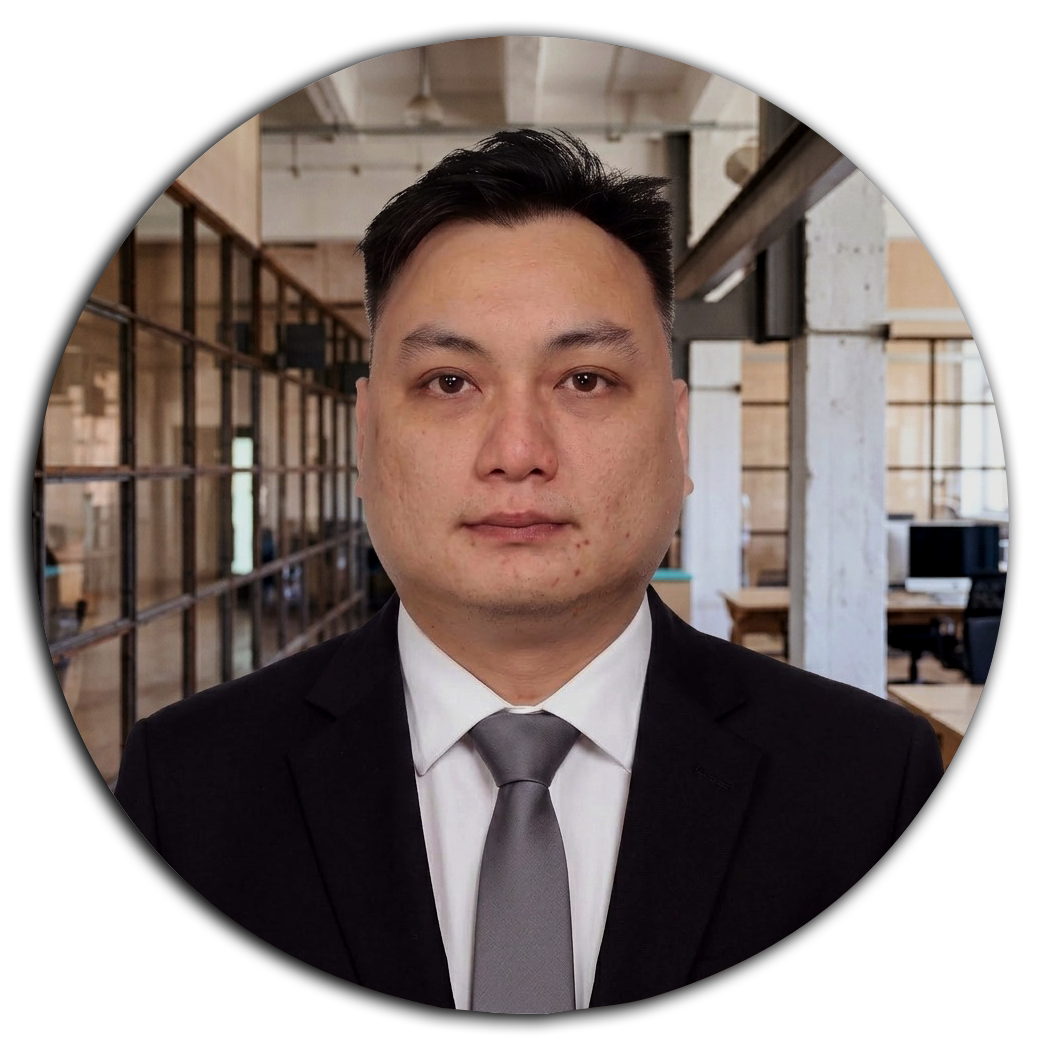


Johannes Anzali Marsen – Director
Starting with the Customer
A conversation with a buyer often starts with a straightforward request: a certain fabric, a certain quantity, and a certain price. But once the discussion begins, there are usually many more details to consider. What is the fabric going to be used for? What construction is required? Does it need a particular dyeing or finishing process? What quality level is expected? How much can be produced? And when does the buyer need the goods? Johannes believes these questions need to be understood before deciding how an order should be handled. This has influenced the way PT Indotech Global Solution works with customers. Rather than simply presenting available products, the company looks at the requirement first and then works through its network to find the most suitable production or supply solution. It is a practical approach, but one that can make a considerable difference when dealing with different types of buyers.
Building Connections in Indonesia
One of the important parts of Johannes’ role has been developing relationships with manufacturers, suppliers, and other business partners in Indonesia. Indonesia has a broad textile industry, with capabilities covering different stages of production. Having access to this network gives PT Indotech Global Solution the flexibility to handle different requirements and look for suitable partners depending on the project. For Johannes, these relationships are not simply business contacts. Knowing how a manufacturer works, understanding its capabilities, and having direct communication with the people involved can make it easier to determine whether a particular production partner is suitable for a customer’s requirements. Over time, these relationships become part of the company’s ability to serve its customers.
Bringing Indonesian Textile Capabilities to International Buyers
Indonesia already has a strong position in textile manufacturing. The challenge for companies like PT Indotech Global Solution is connecting that production capability with buyers who may be located thousands of kilometres away. International buyers often have their own specifications, quality expectations, purchasing procedures, and delivery requirements. They may also be unfamiliar with individual manufacturers in Indonesia. This creates an important role for a company that understands both sides of the transaction. PT Indotech Global Solution works to bridge that gap — understanding what the buyer is looking for, communicating those requirements to the appropriate partners, and coordinating the process through to delivery. For Johannes, this is one of the areas where the company can create real value. The objective is not simply to sell Indonesian textile products overseas. It is to make Indonesian textile supply easier for international customers to access and work with.
Learning from Every Market
The textile industry changes constantly. Customer preferences change. Fashion cycles move quickly. Production costs fluctuate. New materials and finishing techniques become available. Buyers also become more selective about quality, pricing, and delivery.Johannes sees this changing environment as part of what makes the textile business interesting. There is always something new to understand. Working with different customers also exposes the company to different ways of doing business.
A buyer in one market may have completely different priorities from a buyer in another. One may focus heavily on product development, while another may be more concerned with volume, consistency, or delivery schedules. These differences have helped PT Indotech Global Solution develop a more flexible way of working. Instead of assuming that every customer wants the same thing, the company tries to understand the individual requirement and adjust accordingly.
The Importance of Long-Term Relationships
For Johannes, a successful textile business cannot be built around individual transactions alone. A customer who places one order may be satisfied with the product, but a customer who returns for another order is making a much stronger statement about the relationship. That is why communication and follow-through matter. When specifications change, they need to be discussed. When there is a production issue, it needs to be addressed. When a delivery schedule moves, the customer needs to know. These are ordinary parts of doing business, but they are also the things that determine whether
a business relationship continues. Johannes’ approach is to keep the company’s relationships straightforward: understand the commitment, communicate properly, and make every effort to deliver what has been agreed. Growing with the Business The development of PT Indotech Global Solution has been closely connected to the relationships the company has built along the way. Customers bring new requirements. Production partners introduce new capabilities. Different markets create new opportunities. Each of these experiences adds to the company’s understanding of the textile industry.Johannes sees this as an ongoing process rather than something that can be completed at a particular point. There is always room to improve the sourcing process, find better production solutions, expand the company’s network, and understand customers more closely. This way of thinking has also influenced the company’s plans for international growth. Rather than expanding simply for the sake of entering more markets, the focus is on finding the right opportunities and building relationships that make commercial sense for both sides.
Looking Ahead
The future of PT Indotech Global Solution is closely tied to the future of the textile markets it serves. As international buyers continue to look for dependable sources of textile products, Indonesian manufacturers and suppliers have an opportunity to reach more customers around the world. Johannes believes PT Indotech Global Solution can play a role in that connection.
The company will continue developing its network, expanding its product capabilities, and working with customers across different markets. At the same time, the basic approach remains the same: listen to the customer, understand the requirement, find the right solution, and build the relationship from there. For Johannes Marsali Anzen, building a textile company is not only about how much product can be sold. It is about creating a business that people are comfortable working with — whether they are customers, manufacturers, suppliers, or long-term partners. That is the direction PT Indotech Global Solution continues to take as it grows from an Indonesian textile business into a partner for buyers in international markets.